
Building a stronger grip is essential for improving performance in sports, weightlifting, and everyday tasks. The most effective way to develop grip strength is by regularly training the muscles of your hands, fingers, and forearms through targeted exercises.
Grip strength can be improved using simple tools like hand grippers, stress balls, or even by performing dead hangs and farmer’s carries. Consistency and proper form are key to seeing lasting results.
Understanding the different types of grip—such as crush, pinch, and support grip—can help tailor your training to specific needs. This approach ensures balanced development and reduces the risk of injury.
Understanding Grip Strength
Grip strength involves multiple types of force generated by the hand and forearm muscles. Its effectiveness depends on various physiological and external factors. A stronger grip brings practical advantages beyond just lifting heavier objects.
Types of Grip Strength
Grip strength can be categorized mainly into three types: crushing grip, pinching grip, and support grip. The crushing grip measures finger and hand strength when closing around an object, like shaking a hand or squeezing a tennis ball. The pinching grip involves the thumb and fingers pressing against each other, common in holding a thin object. The support grip refers to the ability to hold onto something for an extended time, such as carrying heavy bags.
Effective training should target all three types to develop balanced and functional hand strength. Equipment like grippers, pinch blocks, or hanging exercises can focus on each grip category.
Factors Affecting Grip Power
Grip strength is influenced by muscle size, tendon health, and nervous system efficiency. Forearm muscles primarily control gripping force; therefore, their condition is crucial. Age and gender also affect grip, with younger adults typically having stronger grip and men generally showing higher strength levels.
Fatigue, hand injuries, and joint conditions like arthritis can reduce grip power. External factors like hand positioning and tool design during tasks also influence grip effectiveness. Regular training, rest, and proper technique help maintain or improve grip performance.
Benefits of a Stronger Grip
A stronger grip improves performance in sports, weightlifting, and daily activities involving hand use. Tasks like opening jars, carrying groceries, or manual labor become easier and less tiring.
Grip strength is linked to overall upper body strength and can serve as an indicator of general health. Studies associate a stronger grip with a lower risk of injury, better bone density, and even reduced incidence of chronic diseases in older adults. Enhancing grip strength supports mobility and independence as people age.
Essential Grip Training Principles
Developing a stronger grip requires focused effort on gradually increasing resistance, maintaining regular workouts, and avoiding errors that undermine progress. Understanding these areas helps create an effective and safe training routine.
Progressive Overload for Hands
Progressive overload means steadily increasing the weight, resistance, or difficulty in grip exercises over time. Without this, the muscles and tendons in your hands will not adapt or grow stronger.
Start with a weight or resistance level that challenges your grip but allows for proper form. Increase the load by small increments once you can complete your reps comfortably. Tools like grip trainers, thick bars, or heavier dumbbells can facilitate this process.
Track your progress to ensure consistent gains. Avoid jumping to much heavier weights too quickly, as this increases injury risk. Progressive overload applies both to endurance (time held) and maximal strength (weight lifted).
Consistency in Grip Training
Regular training is crucial to build and maintain grip strength. Aim for at least two to three grip-focused sessions per week to keep steady improvement.
Consistency involves sticking to a plan that targets different grip types—crushing, pinching, and support grips—so your hands develop balance. Include exercises like farmer’s carries, plate pinches, and wrist curls spread across the week.
Even short daily exercises, like squeezing a stress ball or using grip rings, can support strength maintenance. Avoid long breaks, as grip strength can decline quickly without regular stimulus.
Common Mistakes to Avoid
One frequent error is overtraining the grip without adequate recovery, leading to tendon strain or joint pain. Hands need rest to adapt and rebuild stronger tissues.
Failing to use proper form often reduces effectiveness. For example, gripping too loosely or using momentum instead of muscle effort minimizes gains and may cause injury.
Another mistake is neglecting warm-ups and mobility work. Prepping your hands with light stretches and movements improves blood flow and reduces injury risk.
Focus on gradual progress, form, and rest to maximize grip training safely.
Best Exercises for Building Grip Strength
Improving grip strength requires focusing on movements that challenge your hands, fingers, and forearms. The exercises below emphasize holding, pinching, and pulling, which target various grip muscles for functional and effective gains.
Deadlifts and Bar Holds
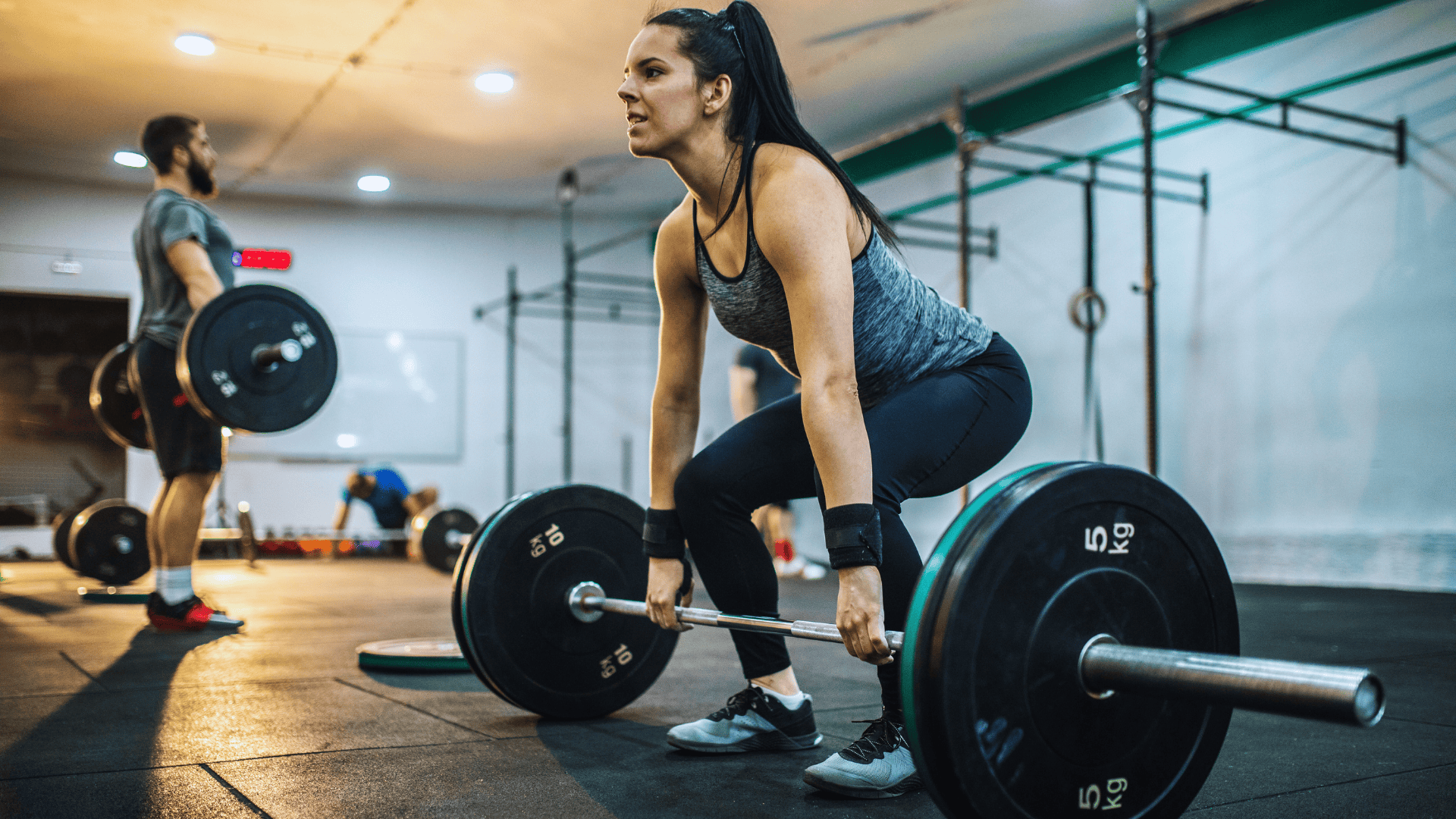
Deadlifts train your grip by forcing you to hold onto a heavy barbell throughout the lift. Use a mixed grip or hook grip to maximize your hold. Holding the bar at the top of the lift for several seconds, known as a bar hold, further strengthens endurance in your grip.
Aim to increase weight progressively but maintain strict form to avoid injury. Bar holds can be practiced separately by simply holding a loaded barbell off the ground for time, starting with 10 to 30 seconds per set. Both exercises improve overall grip toughness and forearm activation.
Farmer’s Walk
This exercise involves walking while holding heavy weights in each hand, commonly dumbbells or kettlebells. Keep your shoulders pulled back and your core tight as you walk a set distance or time.
The Farmer’s Walk develops not only grip strength but also wrist stability and upper back endurance. Choose weights challenging enough to fatigue your grip after 20 to 40 seconds of walking. Increasing the load or the distance you carry the weights will steadily improve your grip capacity.
Plate Pinches
Pinching weight plates between your fingers strengthens finger and thumb muscles critical for pinch strength. Use two or more plates, smooth side out, and hold them between your thumb and fingers.
Begin with lighter plates, gradually moving to heavier ones as your pinching strength improves. Hold the pinch for 10 to 30 seconds over multiple sets. This exercise directly targets smaller muscles missed in traditional lifts, helping with pinch grips used in climbing and manual tasks.
Towel and Rope Pull-Ups
Using a towel or rope draped over a pull-up bar makes the grip challenge more intense by forcing your fingers and hands to work harder to hold. Unlike regular pull-ups, this increases finger flexor engagement and forearm endurance.
Perform pull-ups or simply hang using the towel or rope for time. Start with short hangs and increase duration as your grip capacity grows. This exercise also enhances grip versatility, useful for athletes and outdoor enthusiasts.
Specialized Equipment for Grip Development
Different tools target specific muscles and grip types, allowing focused and effective training. These devices vary by resistance level, grip size, and motion, offering options for all skill levels.
Hand Grippers
Hand grippers are compact devices designed to improve crushing grip strength. They consist of two handles joined by a coiled spring, requiring you to squeeze them together. Resistance varies widely, so choose one that challenges you without causing strain.
Using hand grippers promotes forearm and finger muscle growth through repeated squeezes. They are portable and easy to integrate into daily routines. Regular use improves grip endurance and strength, benefiting both sports and everyday tasks.
Fat Grip Attachments
Fat grip attachments fit over bars or handles to increase their diameter. This forces your fingers and forearms to work harder while holding or lifting objects. They enhance crushing, pinching, and supporting grips by engaging more muscle fibers.
These attachments are simple: slip them over dumbbells, barbells, or pull-up bars. They can be used in various exercises like rows, curls, and deadlifts. Fat grips build grip size and stamina effectively without requiring additional equipment.
Grip Balls and Rollers
Grip balls and rollers focus on crushing strength and finger coordination. Grip balls are squeezable spheres made of rubber or gel, offering various resistance levels. Rollers involve rotating a weighted handle attached to a rope, developing wrist and forearm control.
Both improve hand dexterity and endurance. Using a grip ball during breaks or warm-ups can increase grip tension. Rollers require steady motion, providing continuous resistance that strengthens the entire forearm complex.
Bodyweight and Everyday Methods
Strengthening your grip using bodyweight and everyday tools is practical and effective. These methods emphasize consistent practice through natural movements and objects readily available at home.
Hanging Variations
Hanging exercises primarily target forearm and finger strength while engaging shoulder stability. Start with basic dead hangs from a pull-up bar, holding your body weight with straight arms for 15 to 30 seconds. Increase duration progressively.
Try variations like towel hangs or one-arm hangs to challenge your grip further. Towel hangs require wrapping a towel around the bar, forcing a thicker grip. One-arm hangs dramatically increase difficulty and develop imbalanced strength, so use caution.
Perform 3 to 5 sets, resting 1-2 minutes between hangs. Consistency improves tendons and finger endurance without equipment.
Manual Squeezing Techniques
Manual squeezing drills involve compressing objects to build crushing grip strength. Use hand grippers or stress balls to train finger and palm muscles.
Start with moderate resistance grippers, squeezing until your fingers nearly meet, holding for 2 seconds before release. Aim for 3 sets of 10 to 15 repetitions per hand.
For a portable alternative, use tennis balls or rubber balls. Squeezing for 30 to 60 seconds per hand trains endurance and control. Progress by choosing firmer balls or increasing duration.
Manual squeezing improves the hand closing pressure needed for lifting and gripping tools.
Household Object Drills
Common items can be repurposed to enhance grip using pinching, twisting, and lifting motions. Examples include:
- Jar lids: Practice twisting open and closed to strengthen wrists and fingers.
- Books: Pinch the edges between fingers and thumb, holding as long as possible.
- Buckets filled with water: Carrying by the handle increases finger and forearm strength.
Set a daily routine around these easy drills. For example, try 3 sets of 10 lid twists or hold heavy books for 30 seconds in each hand.
This approach integrates grip training seamlessly into daily life without needing special equipment.
Injury Prevention and Recovery
Proper preparation and awareness are essential to protect your hands and wrists from injury. Equally important is recognizing when your grip training demands rest or adjustment to prevent setbacks.
Warming Up the Hands and Wrists
Start with light, controlled movements to increase blood flow and flexibility. Gentle wrist circles, finger spreads, and slow squeezes with a stress ball prepare tendons and muscles for exercise.
Spend 5 to 10 minutes warming up before any intense grip activity. This reduces stiffness and improves joint lubrication, which lowers injury risk.
Use progressive resistance during warm-up sets rather than jumping straight into maximum effort. This gradual increase helps muscles adjust safely to load.
Stretching and Mobility
Daily stretching improves wrist extension and finger flexibility, which supports stronger, pain-free grips. Simple stretches like wrist flexor and extensor bends held for 20-30 seconds prevent tightness.
Incorporate finger mobility drills such as finger taps or spreading fingers wide and holding. These maintain tendon health and improve overall hand dexterity.
Consistency in mobility work aids recovery and can shorten downtime if soreness or stiffness develops. Avoid bouncing or forcing the stretch to prevent strain.
Warning Signs of Overuse
Monitor symptoms such as persistent pain, numbness, or swelling in the fingers, hands, or wrists. These may indicate tendinitis, nerve compression, or strain.
If grip strength decreases suddenly or soreness lingers beyond two days, reduce training intensity immediately. Ignoring early symptoms can lead to chronic injury.
Use rest, ice, and anti-inflammatory measures if signs appear. Adjust workout volume and include more recovery days to prevent long-term damage.
Nutrition and Lifestyle for Stronger Hands
Proper nutrition and daily habits play a critical role in supporting grip strength. Muscles and tendons need specific nutrients to repair and grow, while hydration keeps tissues flexible and responsive.
Optimal Diet for Muscle and Tendons
Consuming adequate protein is essential for muscle repair and growth. Aim for sources like lean meats, fish, eggs, and plant-based options such as lentils and quinoa. Protein intake of about 1.2 to 1.7 grams per kilogram of body weight supports strength gains.
Collagen-rich foods or supplements benefit tendons and ligaments. Bone broth, chicken skin, and gelatin contain collagen, which increases tendon strength and reduces injury risk. Vitamin C enhances collagen synthesis, so include citrus fruits, strawberries, and bell peppers.
Omega-3 fatty acids reduce inflammation and promote tissue recovery. Incorporate fatty fish like salmon or plant-based sources like flaxseeds and walnuts. Limiting excessive sugar and processed foods helps avoid inflammation that can weaken connective tissues.
Hydration and Hand Health
Maintaining hydration is vital for hand function. Water helps lubricate joints and keeps tendons hydrated, improving flexibility and decreasing stiffness.
Dehydrated tissues become less elastic and more prone to strain or injury. Drinking at least 2 to 3 liters of water daily, depending on activity level and climate, supports tendon health.
Electrolytes such as potassium and magnesium contribute to muscle contraction and nerve function. Bananas, nuts, and leafy greens are excellent sources. Avoid excessive caffeine and alcohol, as they can dehydrate and impair muscle performance.
Tracking Progress and Setting Goals
To improve grip strength effectively, it’s important to monitor changes and plan your training clearly. Consistent measurement allows adjustments based on actual progress. Setting precise targets keeps motivation and effort aligned with results.
Measuring Grip Strength
Grip strength can be tracked using several reliable methods. The most common tool is a hand dynamometer, which measures the maximum force your hand can exert.
Record the highest value from multiple attempts to track progress over weeks. Another option is performing specific exercises like the farmer’s carry and noting the weight and time held.
Keep a training log detailing weights, reps, and perceived effort. These records show improvement trends and highlight plateaus early. Regular measurement, ideally once every 1-2 weeks, balances accuracy and recovery.
Creating a Grip Improvement Plan
A solid plan includes specific, measurable goals such as increasing holding time or the number of repetitions by a set date. Break long-term goals into smaller checkpoints.
Use a mix of exercises targeting different grip types: crushing, pinching, and supporting. Rotate exercises to address weaknesses and prevent overuse injuries.
Set frequency and intensity levels that gradually increase. For example, add 5 pounds to loaded carries or increase repetitions by two weekly. Adjust based on progress measurements and how your hands feel.
Applying Grip Strength to Sports and Daily Life
Improved grip strength directly impacts both athletic performance and everyday activities. It enhances control, endurance, and precision, which are critical across various tasks and sports.
Grip for Athletes
In many sports, grip strength influences performance and injury prevention. Rock climbers rely on strong finger and hand muscles to maintain holds on challenging routes. Baseball players benefit from improved bat control and throwing accuracy.
Strengthening the grip supports better weightlifting technique, especially in exercises like deadlifts and pull-ups, by reducing grip fatigue. It also aids combat athletes, such as wrestlers and jiu-jitsu practitioners, by improving hold and control during matches.
Athletes should focus on dynamic grip exercises that simulate sport-specific movements. Tools like grip trainers, fat grip bars, and even towel pull-ups can be useful for developing functional strength.
Enhancing Everyday Performance
Grip strength is essential for tasks like opening jars, carrying groceries, or using tools. Enhanced grip reduces strain on joints and muscles, minimizing discomfort or risk of repetitive stress injuries.
Older adults benefit from stronger grip strength as it supports independence in daily routines, such as dressing or cooking. Even office workers experience less hand fatigue when typing or handling equipment.
Simple practices like squeezing stress balls, using hand grippers, or performing wrist curls can fit into daily routines. These exercises build endurance and allow for smoother hand and wrist movements during everyday tasks.


